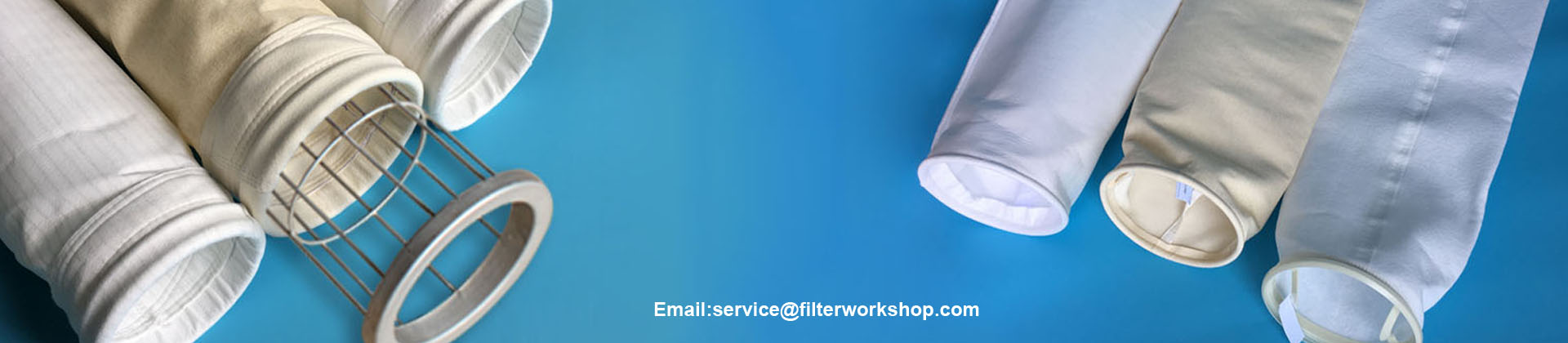
How to Select Filter Bag Cages for Long Service Life
Filter bag cages are a critical yet often overlooked component in industrial dust collection systems. While filter media typically receives the most attention, the cage that supports the bag plays an equally vital role in determining filtration efficiency, durability, and overall system performance. Poor cage selection can lead to premature bag failure, increased maintenance costs, and unplanned downtime.
This article provides a comprehensive guide on how to select filter bag cages for long service life, ensuring optimal performance in demanding industrial environments.
1. Understand the Role of Filter Bag Cages
A filter bag cage serves as the internal support structure for a fabric filter bag in a dust collector. Its primary functions include:
- Maintaining the shape of the filter bag during operation
- Preventing collapse under negative pressure
- Ensuring uniform dust cake formation
- Supporting effective cleaning cycles (pulse-jet, reverse air, etc.)
A well-designed cage minimizes wear on the filter media and extends the lifespan of the entire filtration system.
2. Choose the Right Material
Material selection is one of the most important factors influencing cage durability. The operating environment—temperature, humidity, and chemical exposure—should guide your choice.
Common materials include:
- Carbon Steel
Cost-effective and widely used in standard applications. However, it is prone to corrosion in humid or chemically aggressive environments.
- Galvanized Steel
Offers better corrosion resistance than carbon steel due to zinc coating. Suitable for moderate conditions.
- Stainless Steel (304 / 316)
Ideal for high-temperature and corrosive environments such as chemical processing or food industries. Although more expensive, it significantly extends service life.
- Special Coatings (Epoxy, Silicone, PTFE)
Applied to enhance resistance to corrosion, abrasion, and chemical attack.
Key Tip: Always match the cage material with the process conditions to avoid premature degradation.
3. Optimize Wire Diameter and Ring Spacing
The structural design of the cage directly impacts its performance and durability.
- Wire Diameter
Thicker wires provide greater strength and resistance to deformation, especially in high-pressure pulse cleaning systems.
- Ring Spacing
Proper spacing ensures even support for the filter bag and prevents excessive fabric movement. Too wide spacing can lead to bag bulging and early wear.
- Number of Vertical Wires
More vertical wires improve support but may slightly reduce airflow. A balanced design is essential.
Recommendation: Use cages with uniform spacing and sufficient rigidity to maintain shape under operational stress.
4. Ensure High-Quality Welding and Finishing
Welding quality is often underestimated but has a significant impact on filter bag life.
- Smooth, burr-free welds prevent abrasion and tearing of the filter bag
- Strong weld joints ensure structural integrity during pulse cleaning
- Consistent welding improves dimensional accuracy for automatic installation systems
Advanced manufacturing technologies, such as automated welding systems, can greatly enhance consistency and quality.
5. Select the Appropriate Cage Style
Different dust collection systems require specific cage configurations:
- Standard Round Cages
Used in most pulse-jet baghouses
- Venturi Cages
Designed to improve pulse cleaning efficiency by accelerating air flow
- Envelope Cages
Used for flat or envelope-style filter bags
- Collapsible Cages
Ideal for installations with limited access space
Choosing the correct cage type ensures compatibility with your filtration system and maximizes performance.
6. Consider Surface Treatment and Coatings
Surface finish plays a crucial role in reducing friction and preventing dust buildup.
- Epoxy Coating
Provides excellent corrosion resistance in humid environments
- Silicone Coating
Suitable for high-temperature applications
- PTFE Coating
Offers superior chemical resistance and non-stick properties
A smooth surface reduces wear on the filter bag and facilitates easier dust release during cleaning cycles.
7. Match Cage Dimensions Precisely
Improper sizing can lead to installation issues and reduced service life.
- Ensure correct diameter and length to fit the filter bag
- Verify compatibility with tube sheet holes and sealing systems
- Maintain tight tolerances for automated assembly lines
High-precision cages are especially important in modern automated filtration systems where consistency directly affects productivity.
8. Evaluate Operating Conditions
Before selecting a cage, assess the working environment:
- Temperature Range
- Humidity Levels
- Chemical Exposure
- Dust Characteristics (abrasive, sticky, fine particles)
- Cleaning Method (pulse-jet pressure, frequency)
Understanding these factors allows you to customize cage specifications for maximum durability.
9. Work with Reliable Manufacturers
The quality of the manufacturer significantly influences the final product. Look for suppliers that offer:
- Advanced automated production equipment
- Strict quality control systems
- Custom design capabilities
- Proven experience in filtration applications
For example, modern manufacturing solutions like automated welding and precision forming systems—similar to those used in advanced filtration equipment providers—ensure consistent cage quality and long-term reliability.
10. Maintenance and Inspection Considerations
Even the best cage requires periodic inspection to maintain performance.
- Check for corrosion, bending, or weld failure
- Replace damaged cages promptly to avoid filter bag damage
- Implement routine maintenance schedules
Preventive maintenance can significantly extend both cage and filter bag service life.
Conclusion
Selecting the right filter bag cage is essential for achieving long service life and optimal performance in dust collection systems. By carefully considering material selection, structural design, surface treatment, and manufacturing quality, you can minimize operational issues and reduce maintenance costs.
In modern industrial environments, where efficiency and reliability are critical, investing in high-quality filter bag cages is not just a technical decision—it’s a strategic one.
A well-chosen cage not only protects the filter bag but also ensures the stability and longevity of the entire filtration system.