Filtration Case Study: Pharmaceutical Intermediate Liquid Filtration with INDRO FilterWorkshop
Client Overview
A pharmaceutical manufacturer required a reliable filtration solution for processing chemical intermediates used in the synthesis of
Active Pharmaceutical Ingredients (APIs). The primary goal was the removal of undissolved powders and fine particulate impurities to protect downstream equipment and ensure final product purity.
Challenge
The intermediate liquid contained a high concentration of fine particulates that could clog expensive membrane filters in the final stage. The client needed a
pre-filtration system that provided high dirt-holding capacity, chemical resistance to various solvents, and compliance with pharmaceutical purity standards.
Solution
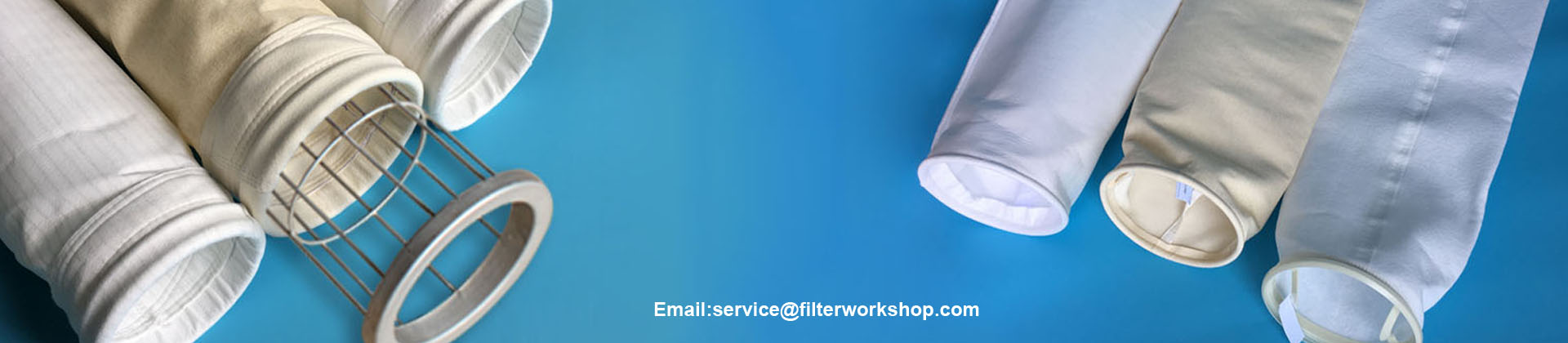
INDRO Filterworkshop provided a complete bag filtration system consisting of a stainless steel filter vessel and high-precision liquid filter bags.
- Filter Vessel: A Single Bag Filter Vessel (Stainless Steel 316L) was installed to ensure maximum corrosion resistance and compatibility with pharmaceutical-grade cleaning agents.
- Filter Bag Size: Size 2# (7" x 32" / 180 x 810 mm). This size was selected to handle high flow rates (up to 36 m³/hr) and provide a large surface area for high dirt loading.
- Micron Rating: 1.0 Micron (µm). A 1-micron rating is the standard for fine pre-filtration in pharmaceutical processes to capture sub-visible particles and fine sediments before the liquid proceeds to the final sterile filtration stage.
- Material: Polypropylene (PP) Felt with a Welded Seam and a plastic flange. Polypropylene was chosen for its excellent chemical compatibility and the fully welded construction eliminated the risk of bypass through needle holes.
Results
- Enhanced Purity: The 1.0-micron bags successfully removed over 95% of targeted fine contaminants from the intermediate liquid.
- Equipment Protection: The service life of the downstream sterile membrane filters was extended by 300%.
- Operational Efficiency: The Size 2# bags and Indro's quick-opening vessel design reduced downtime during bag change-outs to under 5 minutes.
In pharmaceutical intermediate filtration, selecting the correct filter bag material is critical for maintaining chemical integrity and preventing bypass. Below is the technical compatibility breakdown for the standard materials provided by
INDRO Filterworkshop.
1. Polypropylene (PP) Felt
This is the most common choice for pharmaceutical intermediates due to its broad chemical resistance and low cost.
- Best For: Water-based solutions, most organic acids (like Acetic Acid), alkalis, and alcohols (like Isopropyl Alcohol or Ethanol).
- Limitations: Should not be used with strong oxidants or at temperatures exceeding 90°C (194°F) for continuous liquid filtration.
- Solvent Warning: At high temperatures, PP can be affected by nonpolar solvents like Xylene or Toluene.
2. Polyester (PE) Felt
Polyester is preferred when the process involves higher temperatures or specific mechanical strength requirements.
- Best For: Higher temperature liquids (up to 135°C / 275°F), petroleum-based solvents, and certain fatty hydrocarbons.
- Limitations: Poor resistance to strong alkalis and high concentrations of mineral acids. It is also susceptible to hydrolysis (degradation in hot water or steam).
3. Nylon Monofilament (NMO)
Nylon is typically used as a surface filter for precise, coarse filtration or where high tensile strength is needed.
- Best For: Esters (like Ethyl Acetate), ketones (like Acetone), and strong alkalis. It has excellent abrasion resistance for handling "sharp" crystalline intermediates.
- Limitations: Generally not recommended for use with concentrated acids or phenols.
4. PTFE (Teflon) Bags
For the most aggressive pharmaceutical chemistry,
PTFE filter bags offer near-universal chemical inertness.
- Best For: Highly corrosive liquids, concentrated Nitric or Sulfuric acids, and extreme temperature processes (up to 260°C / 500°F).
- High Purity: PTFE is often chosen for final API steps because it does not leach extractables into the product.
Quick Compatibility Summary
| Material |
Acids |
Alkalis |
Solvents |
Max Temp (Liquid) |
| Polypropylene |
Excellent |
Excellent |
Good |
90°C |
| Polyester |
Good |
Poor |
Excellent |
135°C |
| Nylon |
Poor |
Excellent |
Excellent |
110°C |
| PTFE |
Excellent |
Excellent |
Excellent |
260°C |
For pharmaceutical filtration, ensuring both the filter bag and the vessel seals are compatible with your specific solvent prevents contamination and mechanical failure. Below is the technical breakdown for your lookup and selection.
1. Solvent Chemical Resistance Lookup
Selecting the right filter bag media depends on the solvent's polarity and acidity.
- Alcohols (e.g., Ethanol, Methanol, Isopropanol):
- Best Match: Polypropylene (PP) or Nylon. Both offer excellent resistance.
- Avoid: Polyester can be used, but may be prone to slight swelling or hydrolysis in long-term hot water/alcohol mixtures.
- Ketones & Esters (e.g., Acetone, MEK, Ethyl Acetate):
- Best Match: Nylon or PTFE.
- Avoid: Polypropylene and Polyester can suffer from significant swelling or structural softening when exposed to high concentrations of ketones.
- Aromatic Hydrocarbons (e.g., Toluene, Xylene):
- Best Match: Polyester or Nylon.
- Avoid: Polypropylene is not recommended as it can dissolve or lose integrity in aromatic solvents, especially at elevated temperatures.
- Aggressive Acids (e.g., Sulfuric, Nitric):
- Best Match: PTFE (the most inert) or Polypropylene (for moderate concentrations).
- Avoid: Nylon and Polyester (Nylon degrades quickly in even mild acids).
2. Filter Vessel Sealing Ring Options
The gasket (O-ring) must be as resilient as the filter bag to prevent bypass leaks at the vessel lid.
- EPDM (Ethylene Propylene):
- Use for: Water-based processes, ketones, and alcohols.
- Pro: Very cost-effective.
- Con: Fails quickly if exposed to oils, fuels, or hydrocarbon solvents.
- FKM / Viton®:
- Use for: Most solvents, oils, and aromatic hydrocarbons.
- Pro: High-temperature resistance and broad chemical range.
- Con: Not compatible with certain ketones (like Acetone) or organic acids.
- Silicone:
- Use for: High-purity pharmaceutical water or food-grade applications.
- Pro: Excellent thermal stability and physiologically neutral.
- Con: Poor resistance to many industrial solvents and mineral oils.
- PTFE / Encapsulated O-Rings:
- Use for: Extremely aggressive solvents where no elastomer works.
- Pro: Near-universal chemical resistance.
- Con: Less flexible than rubber; often requires an FKM or Silicone core (encapsulated) to provide the necessary "squeeze" for a leak-proof seal.
Comparison Table
| Feature |
EPDM |
FKM (Viton) |
Silicone |
PTFE (Encapsulated) |
| Alcohol Resistance |
Excellent |
Good |
Excellent |
Excellent |
| Ketone Resistance |
Excellent |
Poor |
Poor |
Excellent |
| Oil/Hydrocarbon |
Poor |
Excellent |
Poor |
Excellent |
| Pharma Grade |
Common |
Common |
Preferred |
Preferred |